Cockroach eggs: how to eliminate them and when to fumigate
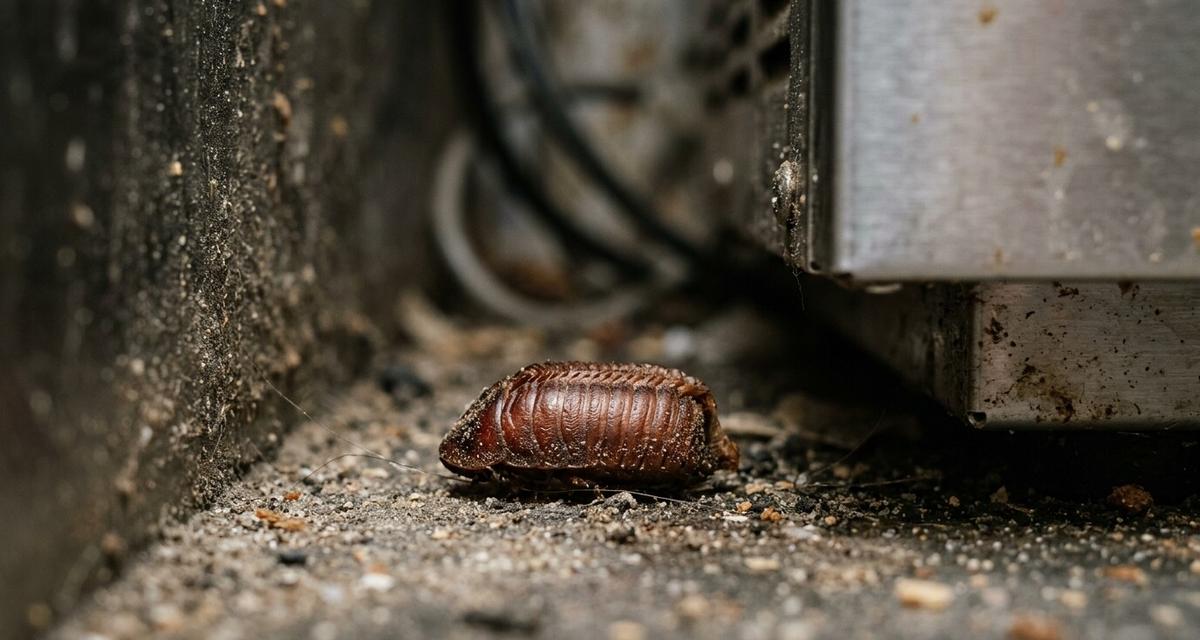
What cockroach eggs are
A brown capsule stuck behind the fridge or under the sink is not dirt: those are cockroach eggs. Cockroaches do not lay loose eggs. The female produces an ootheca, a protective case that holds dozens of eggs and shields them from dryness and from many over-the-counter insecticides. If you have already found one, the colony is probably established.
In Mexico the most common species are the German cockroach (Blattella germanica), the American cockroach (Periplaneta americana), and the brown-banded cockroach (Supella longipalpa). Each produces a different ootheca; recognizing it helps choose the right treatment — see our guide to types of cockroaches in Mexico.
Summary: from ootheca to fumigation
If you already found a capsule, the colony is likely active: spray rarely penetrates the ootheca. For cockroach fumigation (inspection, gel bait, and follow-up) or to request a quote in Toluca, Mexico City, and Querétaro, use the service pages. Below: what they look like, where they hide, and why DIY fails.
What cockroach eggs look like
The ootheca is elongated, with a ridged or toothed edge, and its color depends on the species and how long it has been deposited:
- German cockroach: a light or beige capsule 6 to 9 mm long. The female carries it on her abdomen until shortly before it hatches; it holds 30 to 40 eggs.
- American cockroach: a darker ootheca about 8 mm long, with 14 to 16 eggs. The female glues it into cracks, boxes, and damp corners.
- Brown-banded cockroach: a small capsule glued to furniture, ceilings, and the underside of drawers, often away from the kitchen.
- After hatching, the case splits along the edge and leaves paler empty remains that also mark the hotspot.
Where they hide oothecae
Females look for heat, moisture, and darkness. The most common spots in homes and commercial kitchens are:
- Behind and under refrigerators, stoves, and dishwashers.
- Under sinks, at pipe joints, and in drain pits.
- Cabinet hinges, drawers, and kitchen baseboards.
- Cardboard boxes, appliances, and wall voids.
- In American cockroach infestations, also basements, sumps, and service areas.
How many eggs a cockroach lays
A German female can produce 4 to 8 oothecae in her lifetime. With 30 to 40 nymphs per case and a 20-to-30-day cycle in warm rooms, a single ootheca is enough to recolonize a kitchen in weeks. Finding “just one capsule” is not a minor find: it is evidence of active reproduction.
Why spray does not kill the eggs
The ootheca wall protects the embryos. A spray insecticide may kill adults that cross a surface, but it rarely penetrates the case. If the nymphs survive, the infestation returns. DIY control also fails because it does not reach cracks, does not identify the species, and does not combine bait with exclusion.
The effective path is professional insect control: inspection, gel bait that workers carry back to the colony, growth regulators that stop nymphs from maturing, and sanitation of moisture and food.
How professionals eliminate them
At Fucesa we apply Integrated Pest Management: we identify the species, locate oothecae and harborage, apply gel and residuals in cracks, and follow up. In severe infestations we use thermal fogging or ULV. Our technicians work under NOM-256-SSA1-2012 and with COFEPRIS registrations.
Cockroach eggs in Toluca, Mexico City, and Querétaro
In Toluca, seasonal humidity in the valley favors German cockroaches in kitchens. In Mexico City, dense buildings and restaurants concentrate hotspots behind kitchen equipment. In Querétaro, heat speeds up the reproductive cycle. We cover all three cities from our bases in Toluca and Querétaro.
Request a quote
If you found cockroach eggs, do not wait to see adults in daylight. Quote insect control in Toluca. Species: types of cockroaches. If DIY failed: DIY or professional fumigation.
Related: baby cockroaches, types of cockroaches, cockroach service.
What to do if you found cockroach eggs
A visible ootheca is a sign of active reproduction. Safe steps while you arrange professional help:
- Wear gloves. If the capsule is loose, place it in a sealed bag and dispose of it outside; do not crush it on kitchen surfaces.
- Check moist hotspots: behind the fridge, under the sink, hinges, and baseboards.
- Remove food residues, standing water, and cardboard; seal accessible cracks.
- Do not rely on spray alone: the ootheca wall often protects the embryos. Professional insect control with gel bait and inspection reaches the colony.
In Toluca and the metro area you can request a quote for inspection and follow-up under NOM-256-SSA1-2012.
Cockroach eggs FAQ
How long until they hatch?
It depends on species and temperature. In warm rooms, the German cockroach cycle from ootheca to active nymphs often runs about 20 to 30 days. That is why a single capsule can recolonize a kitchen in weeks.
Does spray insecticide kill oothecae?
Rarely. The case protects the embryos; spray may kill adults that cross a surface, but it does not replace bait, exclusion, and sanitation. The recommended approach is Integrated Pest Management (IPM), consistent with EPA guidance.
Does finding one ootheca mean an infestation?
It is evidence of active reproduction. Identify the species (types of cockroaches), check hotspots, and if you see more signs (nymphs, droppings, odor), quote professional control in Toluca.
Sources and references
University of Kentucky Entomology — Cockroach Biology and Control — oothecae, species, and control.
Clemson HGIC — Cockroach Control — identification and management.
EPA. Integrated Pest Management (IPM) — integrated approach vs isolated sprays.
CDC — About Cockroaches — urban pest context and why integrated control matters (not a medical treatment claim).
