Cryopreservation CO2 method
The CO2 method, also known as controlled-atmosphere treatment, uses carbon dioxide to eliminate insects at every stage of development inside a sealed space. Rather than applying pesticides, it modifies the atmosphere of the enclosure to make it incompatible with the life of the pest, without leaving chemical residues on the products or treated surfaces.
How it works
The space or treatment chamber is sealed hermetically and carbon dioxide is introduced at high, controlled concentrations. By raising the CO2 and displacing the available oxygen, a modified atmosphere is created in which insects cannot breathe: their metabolic system collapses and they die from asphyxiation. Unlike a quick knockdown, the effect depends on maintaining the concentration for a sufficient length of time.
Exposure time is calculated according to the volume of the space, the temperature, the species, and the stage of development to be controlled, since eggs and pupae are usually more resistant than adults. Once the necessary period has elapsed, the area is ventilated to restore normal oxygen levels before use resumes. Sealing the enclosure and controlling the concentration are critical factors for the success of the treatment.
When it is used
Controlled-atmosphere treatment with CO2 is especially suitable when chemicals must not be applied to the material and the space can be sealed. It is recommended in cases such as:
- Stored products and grains, flours, seeds, or bulk foods affected by weevils, moths, and other stored-product insects.
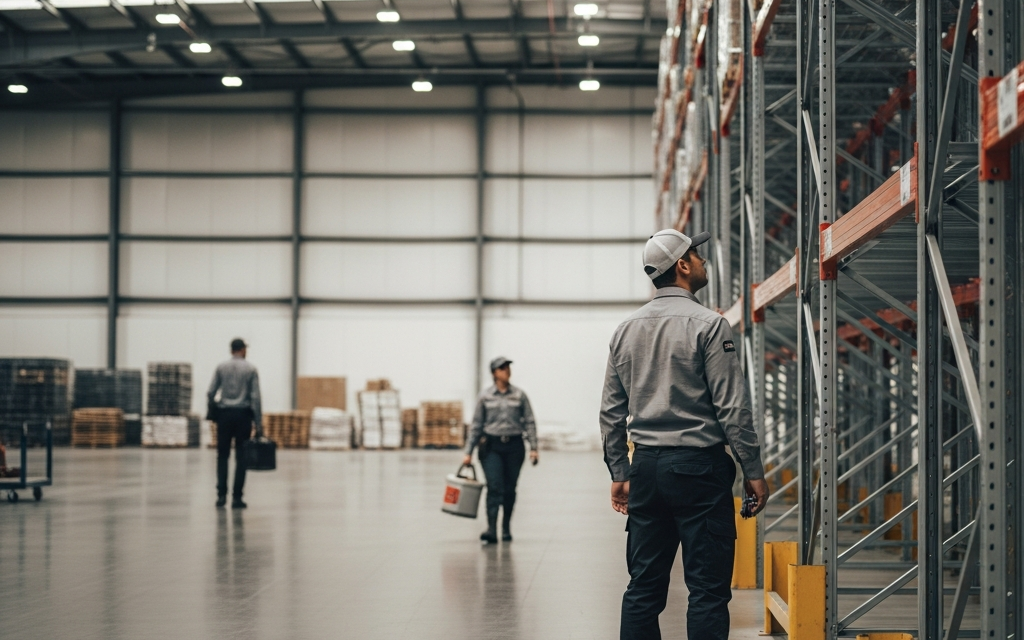
- The food industry and warehouses where it is essential to leave no chemical residue on the product.
- Cultural and heritage goods, such as documents, books, artworks, and museum pieces, that cannot tolerate conventional fumigants.
- Archives and sensitive collections that require clean pest control with no staining or chemical alteration.
Advantages and considerations
The great advantage of CO2 is that it leaves no toxic residues on products or surfaces, making it ideal for food, museums, and archives. As an inert, non-flammable gas, it is safe for facilities where other methods would pose a risk, and when properly applied it acts on every stage of the insect, including eggs. It is a method that is gentle on delicate materials that withstand neither heat nor chemicals.
As an honest consideration, the method requires an enclosure that can be sealed and a relatively long exposure time, so it is not the fastest option, nor does it work for open spaces or areas that cannot be closed. Carbon dioxide at high concentration is asphyxiating, so the area must remain clear during treatment, signposted, and ventilated before re-entry. For this reason it must always be carried out with professional measurement and control.
Safety and regulations
Handling modified atmospheres requires trained, certified personnel who control the gas concentration, monitor the enclosure, and use appropriate personal protective equipment, including measuring oxygen and CO2 before allowing re-entry. Fucesa performs these services in accordance with NOM-256-SSA1-2012, which sets the sanitary conditions for urban pest control, and under a sanitary license issued by COFEPRIS. Each treatment is documented and bounded with signage and restricted-access protocols.
Why Fucesa
With more than 40 years of experience in pest control, disinfection, and fumigation, Fucesa incorporates CO2 treatment into an Integrated Pest Management (IPM) approach. Before applying it, we inspect the product or collection, identify the pest, and assess whether sealing and exposure times are feasible, choosing the technique that best protects the material without compromising its integrity. We provide technical service from our base in Toluca and with coverage in Querétaro, with the goal of resolving the infestation and preventing its return.
Related services



Frequently asked questions
High-pressure CO2 instantly freezes pests through cryopreservation. It is a physical method that uses no chemicals and is effective against a wide range of insects.
Yes, it is one of the most eco-friendly methods available as it uses no chemical products, leaves no toxic residues, and the CO2 used dissipates quickly without environmental impact.
It is recommended in sensitive areas such as food plants, hospitals, laboratories, and spaces where chemical products cannot be used. It is ideal for localized treatments.