Bed bug bites: how to identify them and eliminate the infestation
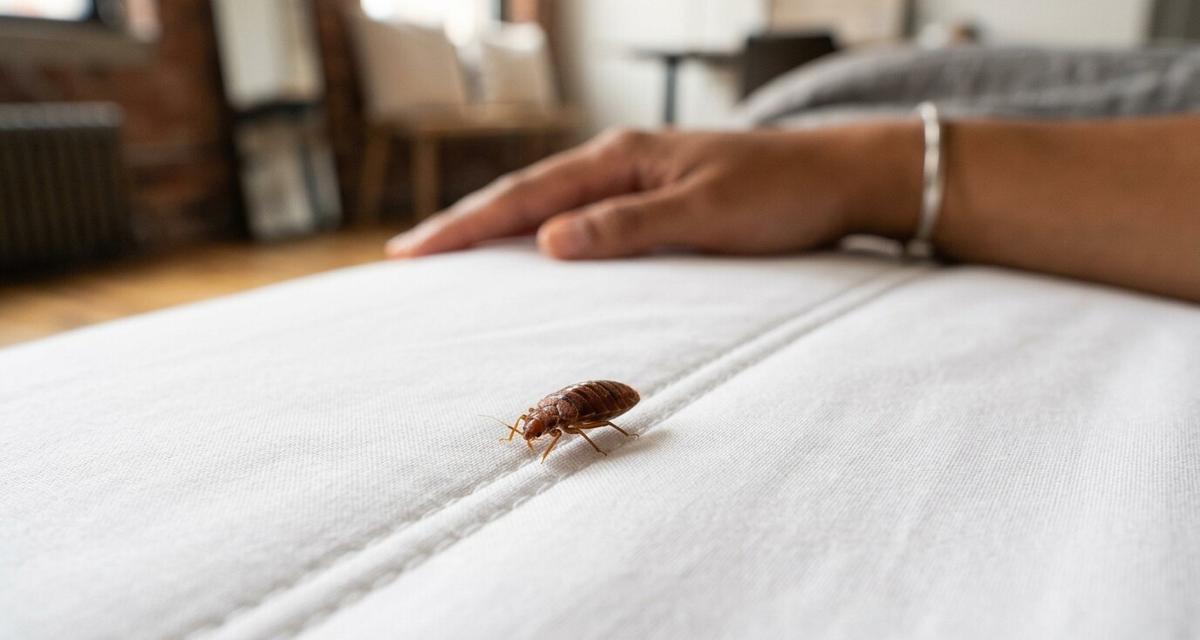
What a bed bug bite is
Waking up with itchy red welts lined up across your arm, neck or back is one of the first signs that you are sharing your bed with an unwelcome guest. The bed bug (Cimex lectularius) is a small, flat, reddish-brown insect roughly the size of an apple seed as an adult. It feeds exclusively on blood and usually bites at night, while a person sleeps and the skin is exposed.
Unlike a mosquito bite, a bed bug bite takes time to notice: the insect's saliva contains a mild anesthetic, so the skin reaction can appear hours or even days later.
See our general guide on what a bug bite looks like to tell it apart from flea, mosquito or other insect bites.
How to recognize the bite
Bed bug bites follow a telltale pattern that helps identify them:
- They appear in a line or in small clusters of three or four welts, sometimes described as a "breakfast, lunch and dinner" pattern.
- They concentrate on skin left exposed while sleeping: arms, shoulders, neck, face and legs.
- They are red welts, flat or slightly raised, often with a darker spot at the center and intense itching.
- Not everyone reacts the same way: some people show no visible mark, while others develop large, persistent welts.
The bite itself does not transmit diseases, but scratching can lead to secondary skin infections. Most importantly, the bite is only a symptom: it confirms that an infestation exists and must be tackled at its source.
Where bed bugs hide
Bed bugs are experts at staying out of sight. During the day they shelter in cracks and seams near where you sleep, coming out to feed at night. The most common hiding spots are:
- Mattress seams and tags, the first place to look.
- The box spring and the joints of the bed base.
- The headboard and bed frame, especially around screws and wooden joints.
- Baseboards, electrical outlets, picture frames and curtain folds in advanced infestations.
Beyond the bites themselves, there are signs that give away their presence:
- Small blood spots on the sheets, from crushing them while you sleep.
- Dark fecal stains, like ink dots, on mattress seams and the bed base.
- Translucent shed skins they molt as they grow, and tiny white eggs.
- A sweet, musty odor in large infestations.
Why they bite while you sleep
Bed bugs detect the carbon dioxide we exhale and our body heat, which is why they leave their hiding places when we are still and asleep. They bite exposed skin because it offers the easiest access to a blood vessel; that is why the welts cluster on uncovered areas and follow the insect's path across the skin, forming those characteristic lines. Once they have fed for several minutes, they return to their shelter to digest, which makes them hard to spot in the act.
How to prevent bed bugs while traveling
Most household infestations start with bed bugs that arrive hidden in luggage, clothing or second-hand furniture. When you stay away from home, take these precautions:
- Inspect the mattress seams and headboard before unpacking, looking for dark stains or insects.
- Keep your luggage on a metal rack or in the bathroom, away from the bed and carpeted floor.
- When you get back, wash your clothes in hot water and dry them on high heat; heat kills bed bugs and their eggs.
- Carefully inspect any used furniture before bringing it into your home.
The Centers for Disease Control and Prevention (CDC) stress that bed bugs are not linked to poor hygiene: they can show up in luxury hotels just as easily as in any home, because they travel with people.
Why DIY control almost never works
It is tempting to fight bed bugs with over-the-counter insecticides, but they rarely solve the underlying problem. These insects have developed resistance to many commercial products, their eggs are protected against sprays, and they hide in cracks that a surface treatment cannot reach. It only takes a few fertile females surviving for the infestation to return within weeks.
Effective control requires an integrated approach: a detailed inspection to locate every focal point, heat treatment that raises the room temperature to levels lethal to bed bugs and eggs, and targeted application of residual products in hiding spots, followed by follow-up inspections. This is a job for a professional.
At Fucesa we offer professional bed bug control with more than 40 years of experience in Toluca and the metropolitan area, combining heat and chemical treatment to eliminate the infestation completely.
If you suspect you have bed bugs at home, do not wait for the infestation to grow. Contact us for an inspection and a treatment plan tailored to your situation.
Sources and references
EPA. Bed Bugs — official guidance on bed bugs and control.
Michigan State University Extension. Bed bugs — university extension identification and management.
COFEPRIS. gob.mx/cofepris — regulation of pesticides used in professional control.
For professional control see bed bugs, our insect control service in Toluca, Mexico City and Querétaro. Contact and quote.
