Cockroaches: types, control and fumigation
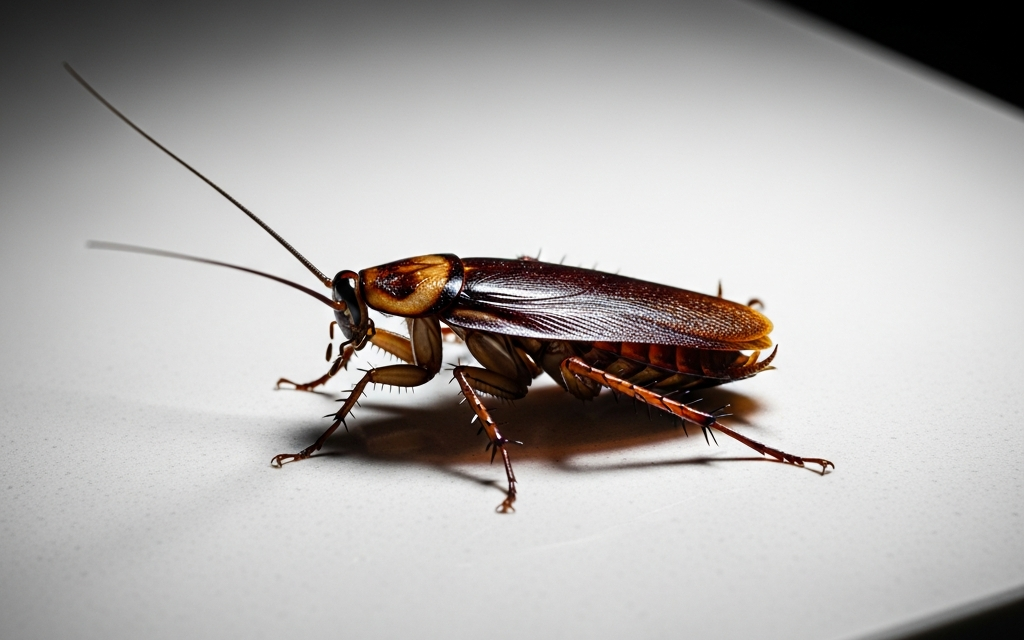
Cockroaches (order Blattodea) are among the urban pests with the strongest commercial search intent in Mexico: many people look for «cockroach fumigation» once sprays and DIY remedies stop working. The main species are the German cockroach (Blattella germanica), the American or sewer cockroach (Periplaneta americana), and the brown-banded cockroach (Supella longipalpa). They breed fast, contaminate food, and need Integrated Pest Management (IPM)—not just a fog of insecticide.
Common cockroach types in Mexico
Species ID drives the treatment. Brief overview (full guide: types of cockroaches in Mexico):
German cockroach (Blattella germanica)
Small (1–1.5 cm), light brown with two dark stripes on the back. Hardest to eradicate in kitchens and food businesses: short cycle, resistance, and crack harborage. Gel bait is usually the core of control.
American / sewer cockroach (Periplaneta americana)
Large (3–5 cm), reddish. Enters through drains, basements, and damp areas. Often seen in yards, sumps, and utility rooms; control combines residuals, drain sanitation, and sealing.
Brown-banded cockroach (Supella longipalpa)
Medium size with pale bands on the wings. Prefers furniture, closets, and warmer dry zones; less kitchen-tied than the German cockroach.
Identification
Oval, flattened body with long antennae. Typical habitat: kitchens, bathrooms, behind refrigerators and stoves, drains, and wall voids. They are nocturnal; daytime sightings usually mean harborage is saturated and the infestation is advanced.
Signs of infestation
- Droppings like peppercorns or ink smears in drawers and corners.
- Egg cases (oothecae)—brown capsules stuck in hidden cracks.
- An oily, unpleasant odor that intensifies as the population grows.
- Daytime sightings or cockroaches caught on monitoring sticky traps.
Risks
They contaminate surfaces and food with bacteria (Salmonella, E. coli, Staphylococcus). Droppings and body parts are allergens that worsen asthma, especially in children. In restaurants, hospitals, and food plants an infestation can mean health-code failures, product loss, and reputational damage.
Fumigation when DIY fails
Store-bought aerosols and many home remedies kill visible adults but rarely reach oothecae and colonies in cracks. If the pest returns after several applications, if you see daytime activity, egg cases, or the characteristic odor, it is time for professional fumigation / control under IPM.
Call for professional treatment when: over-the-counter products fail; the site is a commercial kitchen, restaurant, hospital, school, or food plant; the pest spreads between apartments; or you need technical and documentary support (NOM-256, COFEPRIS).
How Fucesa controls it (IPM)
At Fucesa we do not rely on a single blanket «fumigation». We combine:
- Inspection and species ID (German vs American need different approaches).
- Gel bait in cracks and harborage: cockroaches feed and transfer it through the colony.
- Residual spraying on perimeters and travel paths.
- Thermal fogging for severe infestations, warehouses, drains, or sumps.
- Monitoring traps and sanitation to track progress and remove food/moisture.
Prevention
- Seal entry points in walls, pipes, drains, and door frames.
- Keep trash in sealed containers and empty it often.
- Fix leaks; moisture favors survival.
- Store food in airtight containers; clean grease behind and under appliances.
When to call a professional
If you see cockroaches by day, find egg cases, notice the typical odor, or DIY products have already failed, the colony is established. Professional control is essential wherever health rules apply. Fucesa operates with staff certified under NOM-256-SSA1-2012 and COFEPRIS registration, from Toluca and Querétaro, covering Mexico City (CDMX) and the metro area.
Get a cockroach fumigation quote
Need to request a fumigation quote for cockroaches or an IPM plan for a home, business, or industrial site in Toluca, Mexico City (CDMX), or Querétaro? Ask for our insect control with certified technicians. See our service cities or write via contact: inspection, species ID, and targeted treatment—not just visible adults.