What bed bug bites look like: how to identify the marks
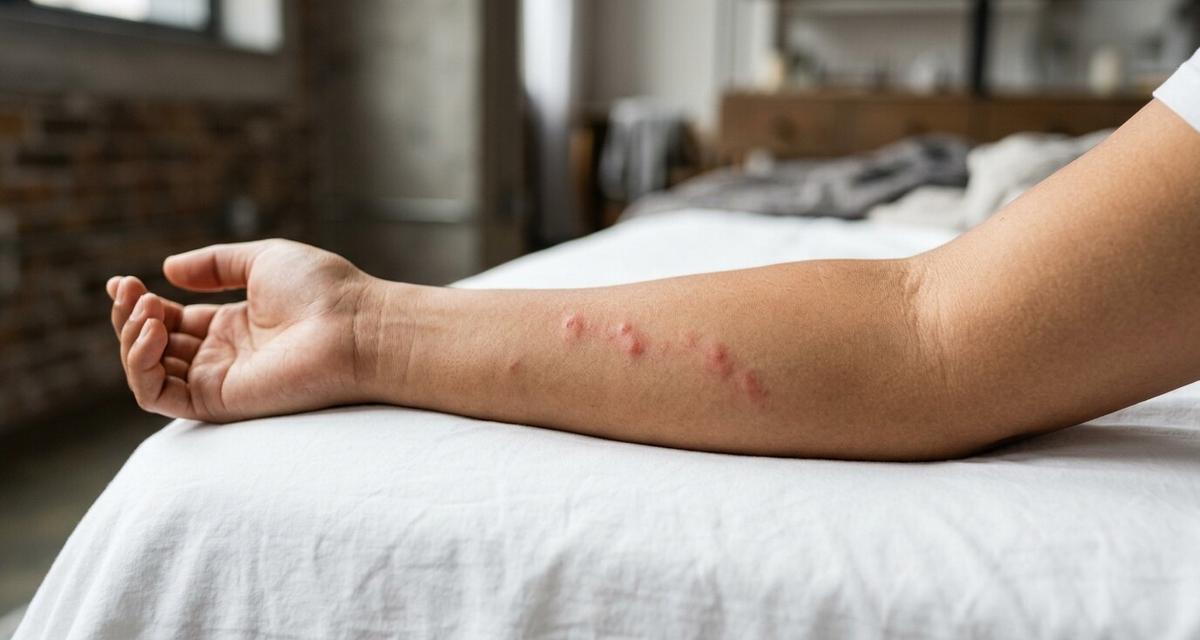
What bed bug bites look like
Waking up with itchy red welts and no idea where they came from is one of the first signs of a bed bug infestation. Unlike other pests, bed bugs bite while we sleep and hide the rest of the day, so often the only visible clue is the mark on your skin. At Fucesa we have spent more than 40 years inspecting and eliminating bed bugs in Toluca and central Mexico, and we know that correctly identifying the bite is the first step to acting in time. In this guide we explain exactly what bed bug welts look like, where they appear, how they evolve, and how to tell them apart from mosquito bites, flea bites, and scabies.
The typical appearance of a bed bug bite
Bed bug welts usually appear as small red bumps, flat or slightly raised, a few millimeters across, often with a darker dot in the center where the insect pierced the skin. The most telling feature is not a single bite but the pattern: bed bugs tend to bite several times in the same area as they search for a blood vessel, leaving welts arranged in a line or clustered in groups of three or more. This pattern is popularly known as “breakfast, lunch, and dinner.”
In most people the welts measure between 2 and 5 millimeters, although more sensitive individuals can develop larger, inflamed hives and even small blisters. The surrounding skin often turns red and slightly firm.
Where the welts appear
Bed bugs bite the skin that stays exposed while we sleep. That is why the welts cluster on:
- Arms and shoulders — especially the part left uncovered above the sheet.
- Neck and face — areas bedding rarely covers.
- Legs, ankles, and back — if you sleep uncovered or on your side.
Unlike fleas, which tend to concentrate around the ankles and lower legs, bed bugs will bite any uncovered part of the body.
How long they take to appear and how they evolve
The welts are not always noticed right away. Bed bug saliva contains an anesthetic, so the bite is not felt at the moment. Marks can appear anywhere from a few hours to three days later, and in some people they take more than a week. The itching is usually intense and worse at night. Left alone, the welts tend to fade on their own within one or two weeks; scratching them, on the other hand, can cause secondary infections.
Bed bug vs. mosquito vs. flea vs. scabies
Many bites look alike at first glance. These are the key differences we use to guide the diagnosis:
Bed bug bite
Welts in a line or cluster, on exposed skin, that appear after waking up. Intense itching. They tend to recur night after night in the same room.
Mosquito bite
An isolated, puffier hive that itches immediately and goes down in a day or two. It appears scattered, not in patterns, and is more common at dusk or outdoors.
Flea bite
Very small red dots with a halo, concentrated on the ankles and legs. Common in homes with pets.
Scabies
Not a bite but a mite that burrows under the skin. It causes thin tracks and extreme itching, especially between the fingers, wrists, and skin folds. It spreads between people and requires specific medical treatment.
According to the Centers for Disease Control and Prevention (CDC), bed bug bites cannot be diagnosed by appearance alone, because they vary so much from person to person; the definitive confirmation is finding the insect itself.
Why some people react more than others
The reaction to bites depends on each person's sensitivity. Up to one in three people develop no visible marks at all, even while being bitten. That is why it is common for one person in a household to wake up covered in welts while another notices nothing. Children, older adults, and people with sensitive skin tend to react with larger, more inflamed hives.
When to see a doctor
Most bites heal on their own, but you should seek medical care if you notice:
- Signs of infection: pus, warmth, growing pain, or spreading redness.
- Large blisters or a severe allergic reaction.
- Itching that keeps you from sleeping or does not ease with over-the-counter remedies.
The next step: treat the skin and eliminate the infestation
Identifying the welts is only half the problem: as long as bed bugs remain in your home, the bites will keep coming back. In our complete guide we explain how to treat and eliminate bed bugs step by step, from relieving the itch to wiping out the source of the infestation.
If you have already confirmed that bed bugs are the cause, do not wait for them to multiply: they are very hard to eradicate on your own. Contact us for a professional inspection and a treatment that eliminates the infestation at its root.
Sources and references
EPA. Introduction to bed bugs — how bed bugs look and behave.
Michigan State University Extension. Bed bugs — extension guidance on marks and infestation.
CDC. About bed bugs — public-health context (bite reactions vary; see a clinician for severe symptoms).
For professional control see bed bugs, our insect control service in Toluca, Mexico City and Querétaro. Contact and quote.
