Types of cockroaches in Mexico: species identification
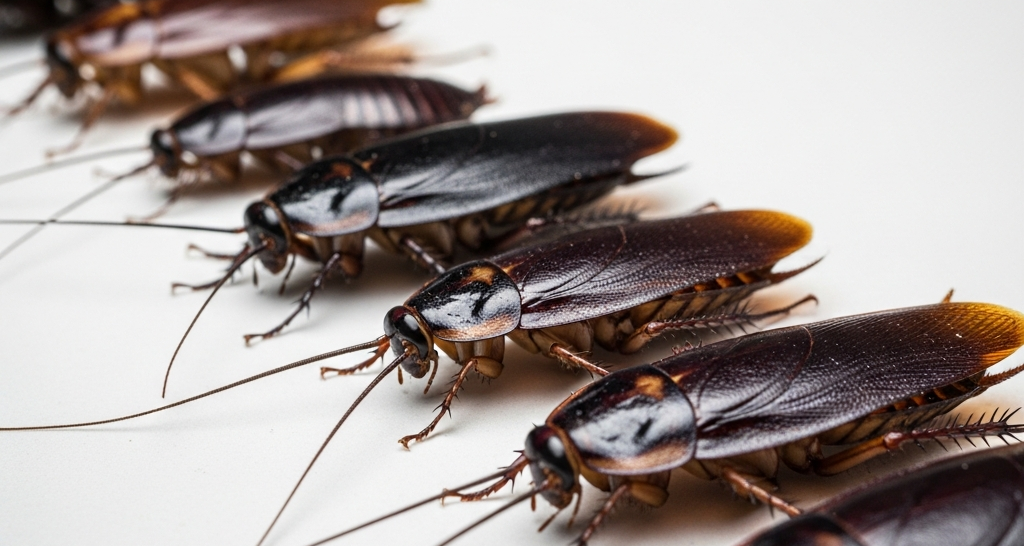
Most common types of cockroaches in Mexico and how to control them
This guide helps you with species identification (the most common types of cockroaches in Mexico). If you found nymphs or eggs, or are weighing DIY versus professional fumigation, see the related guides at the end.
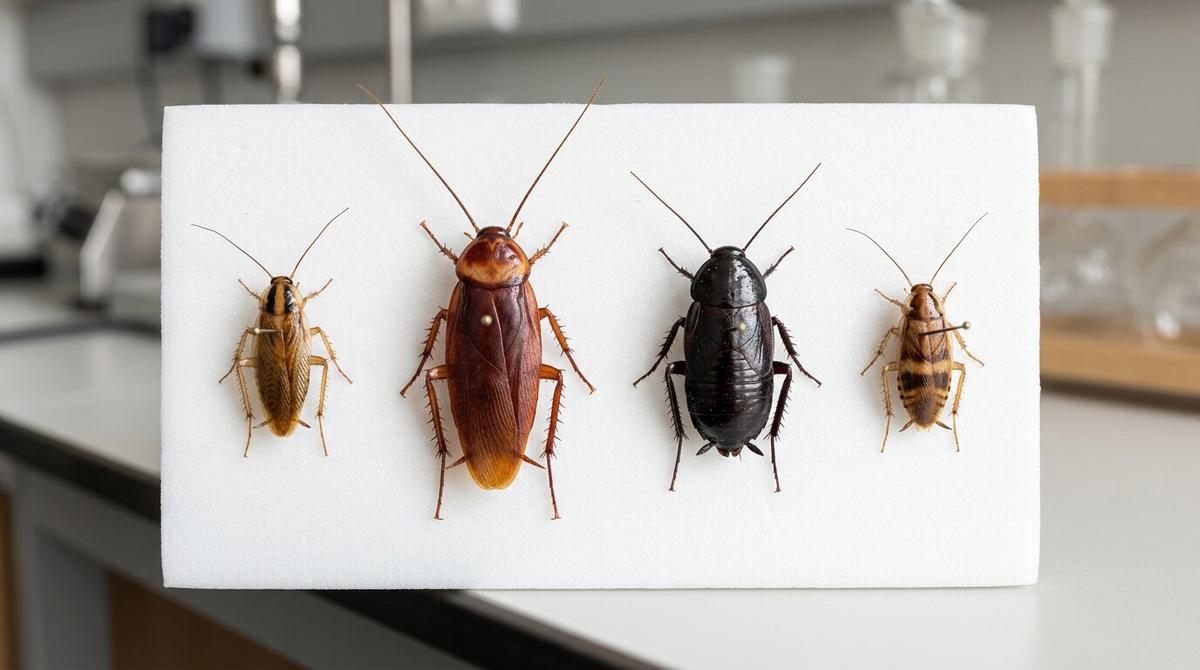
- German cockroach (Blattella germanica)
- Size: 1.3–1.6 cm
- Color: light brown with two dark parallel stripes behind the head
- Habitat: warm, humid places (kitchens, bathrooms, pantries, cracks and dark corners)
- Risks: contaminates food and utensils, spreads bacteria and allergens, reproduces very fast and creates large infestations in little time.
- American cockroach (Periplaneta americana)
- Size: up to 4 cm
- Color: reddish brown
- Flight ability: can fly, though it usually walks
- Habitat: very humid environments such as sewers, basements and warehouses, in both residential and industrial areas; hides where organic matter accumulates. This is the well-known sewer or drain cockroach.
- Risks: carries agents of gastrointestinal diseases and can transmit pathogens on contact with surfaces and food; in large numbers it creates unsanitary conditions.
- Oriental cockroach (Blatta orientalis)
- Size: 2–3 cm
- Color: shiny black
- Movement: slower than other species
- Habitat: prefers cool, damp places (basements, drains, areas with garbage and persistent moisture)
- Risks: contaminates food and surfaces, is associated with hygiene and health problems, and often signals water leaks or maintenance deficiencies.
- Brown-banded cockroach (Supella longipalpa)
- Size: ~1.5 cm
- Color and traits: two brown bands across the body
- Habitat: dry, warm environments; hides in furniture, behind picture frames and in high areas (offices, bedrooms, living rooms); avoids moisture and uses small, warm hiding spots
- Risks: carries health-affecting microorganisms, infests furniture and storage areas; its small size lets it reach many corners.
What to do if you find cockroaches
If you find cockroaches, act fast: remove their food and water sources, store food in sealed containers, take out the trash often, and seal cracks and hiding spots in the kitchen and bathroom. They are more than a nuisance — according to the Asthma and Allergy Foundation of America (AAFA), cockroach residue is a common trigger of asthma and allergies, and these insects can carry bacteria onto kitchen surfaces. When an infestation persists, professionally applied integrated pest management (IPM) is the most effective way to eliminate them for good.
If you see one cockroach, there are very likely many more hidden; we recommend reading how to prevent a roach infestation at home. To reduce the problem right away:
- Keep everything clean: sweep, mop and wipe surfaces to remove food scraps and standing water.
- Seal cracks and gaps: use sealant or silicone on doors, windows, pipe runs and corners.
- Store food properly: use airtight containers and avoid leaving food uncovered.
- Don't pile up cardboard or paper: get rid of unnecessary boxes and papers, since cockroaches hide and breed in them.
- Place traps or baits: they can help lower the population while the problem is still small.
If you keep seeing cockroaches despite these measures, the best option is a professional pest control service. We compare both options in cockroaches at home: DIY or professional fumigation?
How Fucesa helps you eliminate cockroaches
Fucesa provides professional cockroach control for homes and businesses in Mexico through:
- Detailed inspection: identifies the cockroach species and the level of infestation.
- Professional treatments: effective products and techniques that are safe for your family and pets.
- Personalized advice: specific recommendations to prevent new infestations.
- Follow-up: subsequent visits or reviews to make sure the problem is fully resolved.
With the right treatment and good hygiene and maintenance practices, it is possible to eradicate cockroaches and keep them from coming back. For a definitive solution, you can contact the specialists at Fucesa.
| Species | Approx. size | Color & key traits | Typical habitat | Main risks |
|---|---|---|---|---|
| German cockroach (*Blattella germanica*) | 1.3–1.6 cm | Light brown, two dark parallel stripes behind the head | Kitchens, bathrooms, pantries, warm humid areas, cracks | Fast reproduction, contaminates food, spreads bacteria and allergens |
| American cockroach (*Periplaneta americana*) | Up to 4 cm | Reddish brown, can fly | Sewers, basements, warehouses, humid areas with organic matter | Carries gastrointestinal disease agents, creates unsanitary conditions |
| Oriental cockroach (*Blatta orientalis*) | 2–3 cm | Shiny black, slow-moving | Basements, drains, areas with garbage, cool damp places | Contaminates food, signals moisture and maintenance problems |
| Brown-banded cockroach (*Supella longipalpa*) | ≈ 1.5 cm | Two brown bands across the body | Furniture, picture frames, high areas, offices, bedrooms, dry environments | Carries microorganisms, infests furniture and storage spaces |
Frequently asked questions about cockroach types
How many types of cockroaches are there?
There are more than 4,500 species of cockroaches worldwide, but only around 30 live alongside people. In Mexico, the ones that most often become pests in homes and businesses are the German, American, Oriental and brown-banded cockroaches.
Which cockroaches are most common in Mexico?
The German cockroach is the most frequent in kitchens and food areas due to its fast reproduction, while the American cockroach (the largest) is usually found in drains, sewers and basements. Identifying the species is key to choosing the right control treatment.
Can cockroaches fly?
Some species, such as the American cockroach, have wings and can glide short distances, especially in warm environments. Others, like the Oriental cockroach, barely use them. In general they are better runners than fliers.
How do you eliminate cockroaches from your home for good?
Permanent elimination combines hygiene, sealing and a species-targeted treatment. If spray already failed, read cockroaches at home: DIY or professional fumigation and quote insect control in Toluca.
Related guides
You identified the species here. Next: baby cockroaches, cockroach eggs, DIY or professional fumigation. Service: cockroaches / Toluca.
Sources and references
Asthma and Allergy Foundation of America (AAFA). Cockroach Allergy — cockroaches as a trigger of asthma and allergies.
U.S. Environmental Protection Agency (EPA). Introduction to Integrated Pest Management — integrated pest management as a control method.
Mexican Ministry of Health (Secretaría de Salud). gob.mx/salud — hygiene and public-health guidance.
For professional control see cockroaches, our insect control service in Toluca, Mexico City and Querétaro. Contact and quote.
