Bed bug bite: how to identify it and when to fumigate
Bed bug bites: a practical guide to identify and act
Bed bugs are small, nocturnal, blood-feeding insects that show up in homes, hotels, and offices across Mexico. A bed bug bite usually leaves intensely itchy welts in a line or cluster. According to the CDC they are not known to transmit disease, but scratching can lead to secondary infection and some people react strongly. This guide covers identification, how they differ from mosquito and flea bites, safe home care, and when to call an Integrated Pest Management (IPM) professional with 40+ years of experience.
Quick summary
If you wake with clustered welts, blood spots, or dark dots on the mattress, creams are not enough—you need to eliminate the colony. See bed bug control or book via contact in Toluca, Mexico City, and Querétaro.
Quick ID: bed bug, flea, or mosquito?
Check these 4 clues when you wake up. If 3 or more match, a bed bug is the most likely cause:
- Pattern: 3 or more welts in a line or tight cluster, sometimes with a red or darker dot in the center. A single isolated welt is usually a mosquito.
- Location: skin left uncovered while sleeping (face, neck, arms, hands, shoulders), often along the edge of pajamas or sheets. If almost all are on ankles and calves, think fleas first, especially with pets at home.
- Timing: you notice them in the morning and new welts appear several nights in the same bed.
- Proof in the bed: dark coffee-ground specks in mattress seams and the headboard, rust-colored stains on sheets, pale shed skins, or flat reddish-brown insects about the size of an apple seed.
Note: a welt can take from hours up to 10–14 days to appear, and some people don’t react at all. Bites alone don’t confirm an infestation; the confirmation is in the mattress and nearby furniture.
If you found that proof, creams won’t remove the colony: book a bed bug control inspection or reach us via contact (Toluca, Mexico City, and Querétaro). To ease the itch meanwhile, see bed bug bite treatment; if there is fever, pus, spreading swelling, or trouble breathing, see a doctor.
How to identify a bed bug bite
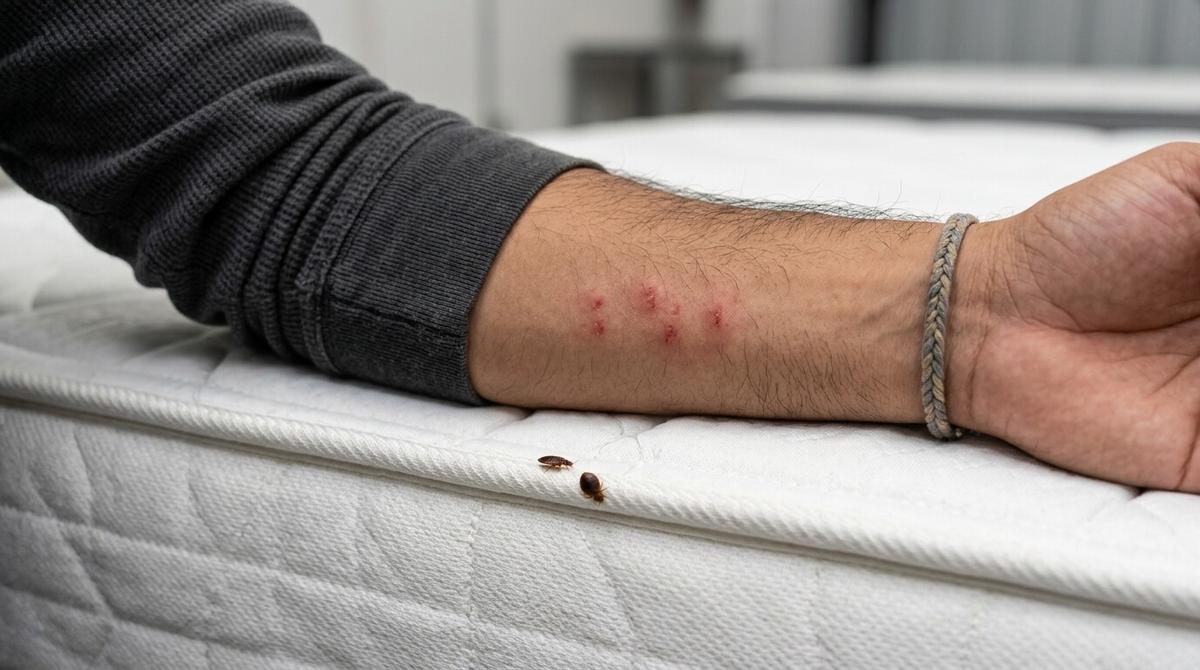
Bed bug bites typically appear as three or more red welts in a straight line or tight cluster on skin left uncovered while sleeping—arms, neck, shoulders, and legs. Itching is intense and often lasts longer than a mosquito bite. For visual cues, see what bed bug bites look like.
Typical signs:
- Small, bright-red, well-defined welts—rarely solitary.
- Persistent itching that worsens at night or after scratching.
- Mild redness and swelling; sometimes a burning feel.
- Exposed sleep areas; uncommon under tight clothing.
Signs of bed bugs in the bedroom
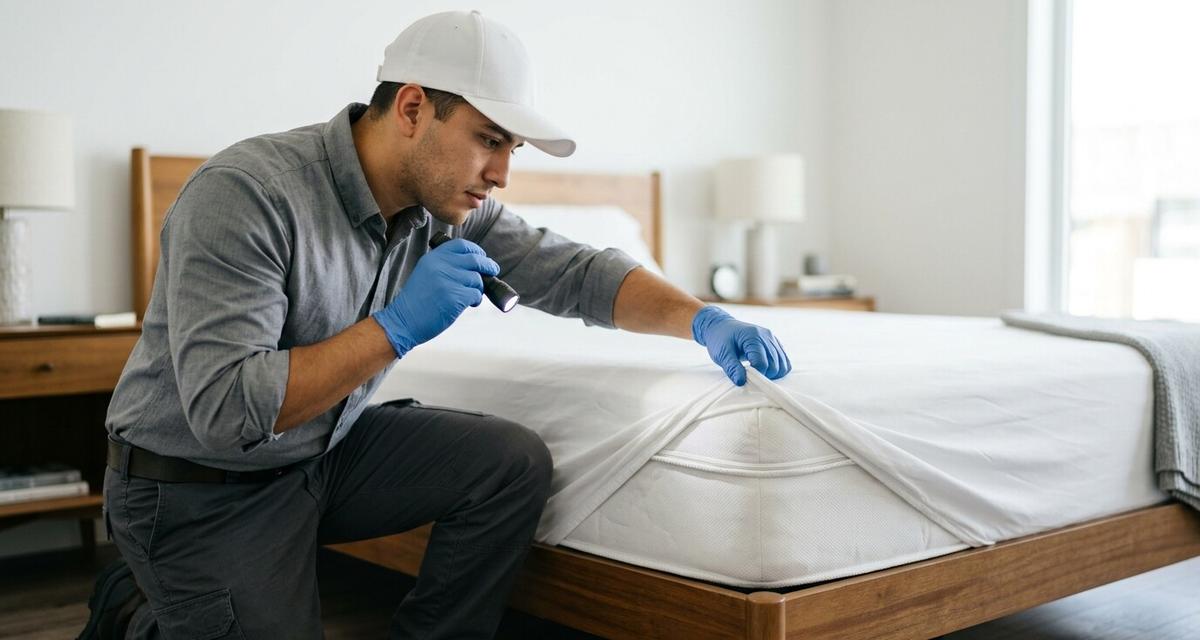
If welts return every morning, inspect the mattress and nearby furniture for:
- Small blood stains on sheets or pillowcases.
- Dark fecal spots along mattress seams, headboard, or bed frame.
- Tiny oval, flat, reddish-brown insects in seams and cracks.
- Pale shed skins near the bed.
Bed bug bites vs mosquito and flea bites
Searches for “welts” or “itchy bites” often turn out to be bed bugs. Quick comparison:
- Bed bug: several welts in a line or cluster; long-lasting itch; sleep-exposed skin.
- Mosquito: usually a single welt; fades faster; any exposed skin.
- Flea: smaller bites, sometimes with a dark center; ankles, legs, waist; more scattered.
For the infestation angle, read bed bug bites: how to identify them and eliminate the infestation.
When do bites mean an infestation?
One bite does not always mean a colony. Suspect an active infestation if:
- Several people in the same room wake with new welts.
- Bites repeat for several nights in the same bed.
- You find feces, blood spots, or live insects in the mattress.
- Welts “move” to adjacent rooms or sofas.
Cleaning and vacuuming help, but bed bugs hide in cracks and often survive incomplete DIY treatments.
Treating bed bug bites (no aggressive self-medication)
Bite relief is symptomatic—never put insecticides on skin. Safe home steps; for more detail see bed bug bite treatment.
- Wash with lukewarm water and mild soap to lower infection risk.
- Apply a cold compress for 10–15 minutes to ease swelling and itch.
- Use calamine or other soothing products recommended by a pharmacist or doctor.
- Avoid scratching; keep nails short and skin clean.
- Do not apply insecticides, bleach, or harsh home remedies to skin.
See a clinician if you notice pus, intense heat, widespread swelling, breathing trouble, or itch that stops you from sleeping. Fucesa eliminates the pest; a medical professional evaluates the skin reaction.
What you can do at home vs when to call a pro
Helpful while you book an inspection:
- Wash bedding hot and dry on high heat when possible.
- Vacuum mattress, box spring, headboard, and perimeter; bag and discard vacuum contents outside.
- Reduce clutter by the bed and pull the frame slightly from the wall.
- After travel, inspect luggage; keep bags off hotel beds.
Call a pest professional when:
- Bites continue after a deep clean.
- You have clear evidence of insects, feces, or shed skins.
- The issue affects a hotel, short-term rental, office, or multiple units.
- Hardware-store sprays already failed (they often scatter the colony).
Fucesa uses Integrated Pest Management (IPM): inspection, targeted treatment, and follow-up. Explore bed bug control and our insect control service.
Prevention: lowering the chance of new bites
- Keep sleeping areas clean and vacuum regularly.
- Inspect second-hand furniture and mattresses before bringing them in.
- Seal cracks in baseboards, headboards, and frames.
- On trips, check the hotel mattress and use a luggage rack.
Professional bed bug control in Toluca, Mexico City, and Querétaro
For more than 40 years, Fucesa has protected homes and businesses in Mexico with IPM protocols. If bites already point to a colony, schedule an inspection in Toluca, Mexico City (CDMX), or Querétaro. You can also reach us via contact.
Our team performs detailed inspections, certified treatments, and follow-up so bites stop returning in homes, hotels, and offices.
- Finding real harborages—not just “spray and leave”.
- Products and methods applied by trained technicians.
- Follow-up to confirm bites have stopped.
| Feature | Bedbug Bites | Mosquito Bites | Flea Bites |
|---|---|---|---|
| Typical pattern | Linear or clustered lines of bites | Isolated, scattered bites | Often grouped around ankles or waist |
| Itching | Intense and persistent | Moderate, short-lived | Intense but usually smaller lesions |
| Common areas | Exposed skin during sleep (arms, legs, neck, face) | Any exposed area | Lower legs, ankles, areas in contact with pets or floors |
| Associated signs at home | Blood stains, dark spots, small oval insects in mattress and furniture | Standing water or outdoor presence | Presence of fleas on pets or carpets |
Frequently asked questions about bed bug bites
What does a bed bug bite look like?
A small reddened welt; the telltale sign is several bites together in a line or cluster on sleep-exposed skin.
What is the best treatment for the bite?
Wash with mild soap, cold compresses, and pharmacist- or doctor-recommended soothing products. Seek medical care for infection or severe allergy. Stopping new bites requires professional pest control.
How long until it goes away?
Welts may appear within minutes to days and usually fade in one to two weeks if you are not rebitten. New welts every night suggest an active infestation.
How do I tell it apart from a mosquito bite?
Bed bug bites arrive in rows or clusters and itch longer; mosquito bites are usually solitary. Blood spots or dark fecal dots on the mattress confirm bed bugs.
Do bed bugs transmit disease?
Per the CDC, bed bugs are not known to transmit disease to people; the main risks are skin reaction and secondary infection from scratching.
Sources and references
Centers for Disease Control and Prevention (CDC). About Bed Bugs — identification, health risks, and prevention.
U.S. Environmental Protection Agency (EPA). Bed Bugs — prevention and integrated pest management.
Mexican Ministry of Health (Secretaría de Salud) — general health guidance.
You can also review our fumigation certificate service after professional treatment.