Bed bug bite treatment: how to relieve and heal the bites
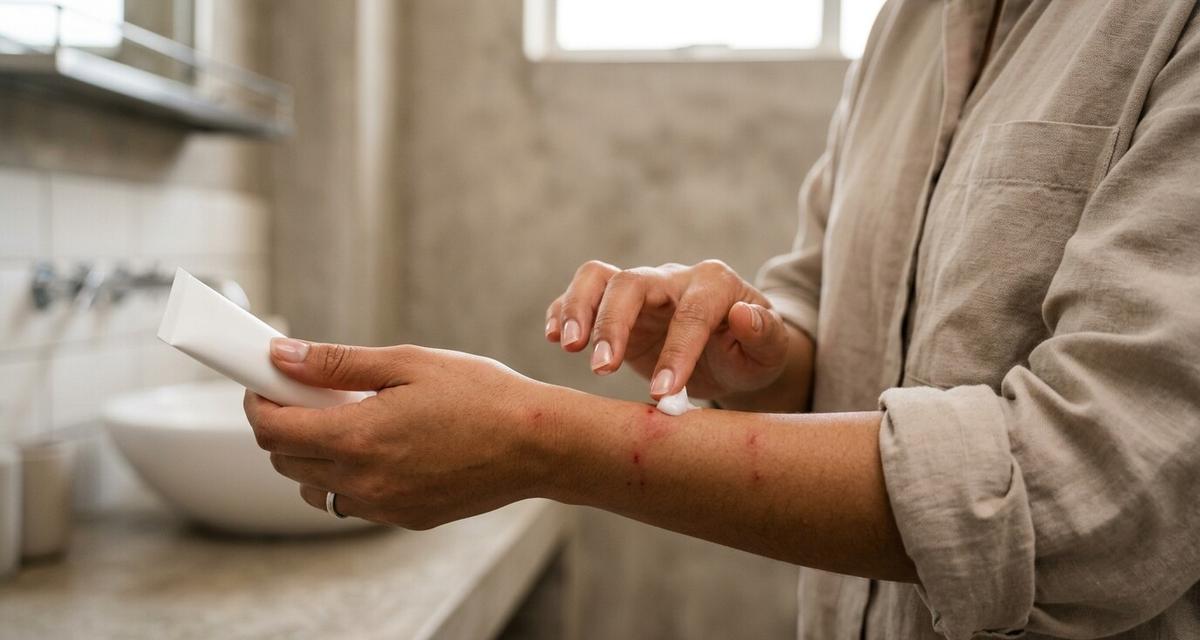
How to treat bed bug bites and calm the itch
Bed bug bites usually appear in lines or clusters on skin that was exposed during the night —arms, shoulders, neck and legs— and cause red, intensely itchy welts. The good news is that, according to the Centers for Disease Control and Prevention (CDC), bed bugs do not transmit diseases to people, so treatment is mainly about relieving symptoms. This guide explains how to calm the itch at home, which mistakes to avoid, and when you should see a doctor.
First steps: home care for the bites
In most cases the bites heal on their own within one to two weeks. In the meantime, this care helps reduce discomfort and prevent complications:
- Wash the area with soap and water. Cleaning the skin lowers the risk of infection and helps soothe irritation.
- Apply a cold compress or cool cloths for 10 to 15 minutes to reduce swelling and itching.
- Use over-the-counter hydrocortisone cream or an oral antihistamine to control the itch. Always follow the package directions or your pharmacist's advice.
- Keep nails short and resist the urge to scratch, especially with children, to avoid wounds and infections.
What NOT to do
Some home remedies and common habits can make things worse instead of helping:
- Don't scratch. Scratching breaks the skin and opens the door to bacterial infections.
- Don't pop or pierce the welts, and don't apply harsh products such as bleach, strong alcohol or toothpaste.
- Don't use antibiotics on your own: they are only needed if there is an infection and must be prescribed by a doctor.
When to see a doctor
Most bites don't require medical attention, but seek professional help if you notice any of these signs:
- Severe allergic reaction: significant swelling, widespread hives, difficulty breathing or dizziness. In that case, seek emergency care.
- Signs of infection: spreading redness, warmth, pus, severe pain or fever, usually from scratching.
- Bites that don't improve after two weeks or that keep appearing night after night.
How long do bed bug bites last?
In people without strong reactions, the welts usually fade within one to two weeks. In those who are more sensitive, the itching can last longer and leave temporary marks. If new bites keep appearing every morning, it isn't that the old ones won't heal: it's the clearest sign that there is an active infestation in your home.
Treating the bites does not get rid of bed bugs
This is the most important point: soothing the welts relieves the symptoms, but it doesn't solve the underlying problem. As long as bed bugs remain in your mattress, box spring, seams and cracks around the room, you will keep getting bitten. To understand the full problem, read our guide on how to identify and eliminate bed bugs.
Bed bugs are extremely resilient insects: they hide in tiny cracks, survive months without feeding, and their eggs tolerate many common over-the-counter insecticides. That's why DIY treatments rarely manage to eradicate them completely and, when applied incorrectly, end up spreading the infestation throughout the house.
At Fucesa we have more than 40 years of experience in pest control in Toluca and central Mexico. A professional treatment inspects the hot spots, applies targeted products in every hiding place, and follows up to ensure complete elimination. If the bites won't stop, request a professional inspection and reclaim your bed-bug-free rest.
Sources and references
EPA. Bed Bugs — skin relief does not eliminate the infestation; environmental control matters.
Michigan State University Extension. Bed bugs — IPM expectations for bed bugs.
COFEPRIS. gob.mx/cofepris — sanitary framework for control products and services.
For professional control see bed bugs, our insect control service in Toluca, Mexico City and Querétaro. Contact and quote.
