Effective Strategies for Bed Bug Control: Prevention and Treatment
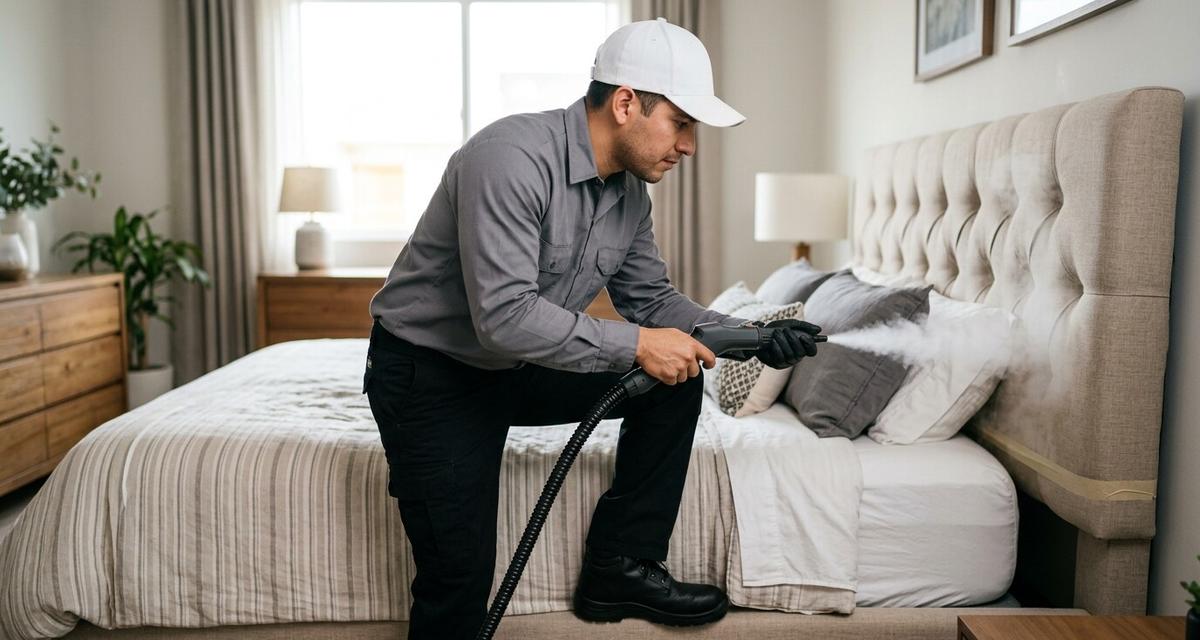
How to Prevent and Treat Bed Bugs
Bed bugs are small parasitic insects that feed on human blood and hide in mattresses, bed bases, furniture, and cracks. They are hard to control because of how well they hide and their growing resistance to insecticides.
Here is a summary of the keys to preventing and eliminating infestations, and when it makes sense to call professionals like Fucesa.
How to Identify Bed Bugs
- Appearance: small, brown, flattened insects about the size of an apple seed.
- Typical hiding spots: mattress seams, bed base, headboard, behind wallpaper, baseboards, and cracks near the bed.
- Signs of infestation:
- Blood stains on sheets and pillowcases.
- Dark spots (droppings) on mattresses and furniture.
- Bites on the skin, often in a line or clustered; learn how to identify bed bug bites.
Preventing Bed Bugs
1. Regular Inspections
- Check mattresses, bed bases, and headboards periodically.
- After traveling, inspect suitcases, clothes, and belongings before bringing them into the house.
- Avoid placing luggage on the bed when returning from hotels.
2. Home Maintenance
- Keep the house tidy and clutter-free, reducing hiding places.
- Vacuum frequently around the bed, baseboards, and furniture.
- Seal cracks and crevices in walls, floors, and frames.
3. Mattress Protectors
- Use bed-bug-proof encasements for the mattress and bed base.
- Make sure they are airtight with a secure zipper.
- Keep the encasements on for several months to break the life cycle of bed bugs trapped inside.
Treating Infestations
1. Vacuuming
- Carefully vacuum the mattress, bed base, headboard, baseboards, and nearby furniture.
- Empty the vacuum bag or canister immediately into a sealed bag and dispose of it in an outdoor container.
2. Heat Treatments
- Wash sheets, covers, blankets, and affected clothing at 140°F (60°C) or higher.
- Dry on high heat whenever possible.
- Use a steam cleaner on mattresses, sofas, cracks, and areas that cannot be washed.
3. Using Pesticides
- There are insecticides made specifically for bed bugs, but:
- They must be applied strictly following the safety instructions.
- Improper use can be hazardous to your health.
- Bed bugs can develop resistance, reducing effectiveness.
- Whenever possible, leave chemical treatments to professionals.
4. When to Call Professionals
- If the infestation is severe or persistent.
- If you find bed bugs in several rooms or areas of the property.
- If home treatments are not working.
Specialized companies like Fucesa, through their bed bug control service, can:
- Perform a detailed inspection to locate every hot spot.
- Design an intensive plan combining heat, vacuuming, physical barriers, and professional products.
- Follow up to ensure complete elimination.
Conclusion
Bed bugs are a complex pest, but by combining prevention, cleaning, heat treatments, responsible use of pesticides, and the support of professionals, you can get your home back from these parasites.
If you suspect you have bed bugs, don't wait for the problem to grow. Ease the discomfort with our guide to bed bug bite treatment and contact Fucesa for a lasting, safe solution.
| Strategy | Main goal | When to use it |
|---|---|---|
| Regular inspections | Detect bed bugs early | Always, especially after trips or guests |
| Tidiness and cleaning | Reduce hiding places and ease control | Continuously at home |
| Mattress encasements | Create a barrier and limit refuges | As prevention and treatment support |
| Vacuuming and heat (washing/steam) | Physically remove bed bugs and eggs | At the first signs of infestation |
| Professional pesticides | Eradicate established infestations | For moderate or severe infestations |
| Professional service (Fucesa) | Comprehensive plan and follow-up | When the problem is persistent or widespread |
Sources and references
EPA. Bed Bugs — official prevention and treatment strategies for bed bugs.
NOM-256-SSA1-2012. Sanitary conditions for urban pest control — Mexican standard for pesticide pest-control companies.
COFEPRIS. gob.mx/cofepris — sanitary oversight of pesticides and providers.
For professional control see bed bugs, our insect control service in Toluca, Mexico City and Querétaro. Contact and quote.