Snakes
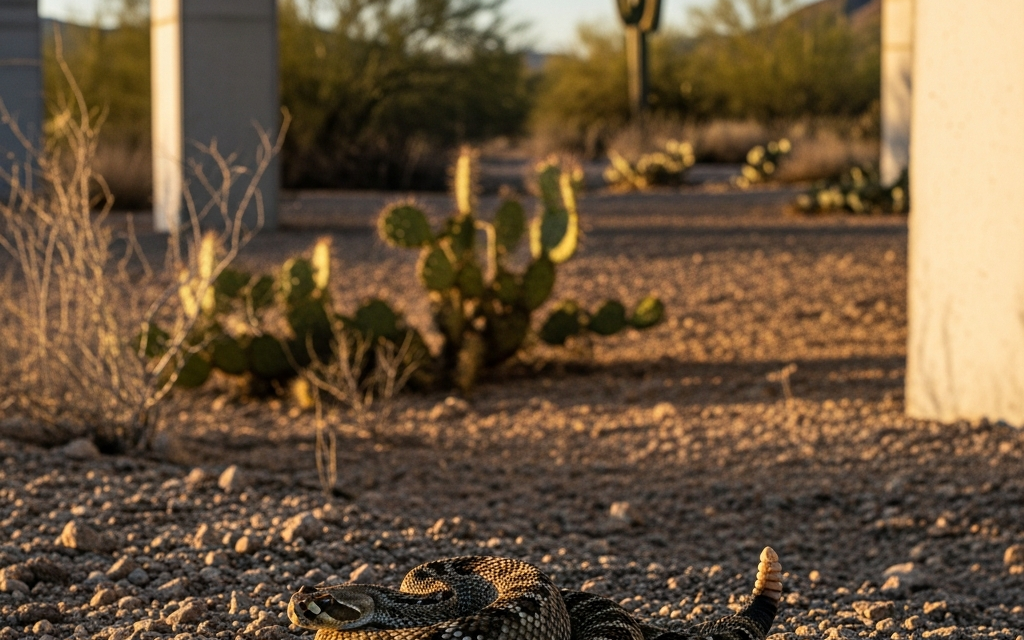
Mexico is home to more than 390 snake species, of which roughly 70 are venomous. The most medically important ones in central Mexico include the rattlesnake (Crotalus spp.), the coral snake (Micrurus spp.), and the fer-de-lance (Bothrops asper). The vast majority of snakes that turn up near homes and businesses are harmless and play a valuable ecological role: they are natural predators of rodents. That is why Fucesa's approach is not to exterminate them, but to capture and relocate them professionally and safely.
Identification
- Rattlesnake: triangular head, loreal pits (heat detectors), and a rattle on the tail. Diamond pattern.
- Coral snake: rings of red, black, and yellow or white. Rounded head. The rhyme "red touches yellow, kills a fellow" helps in Mexico, though it is not foolproof.
- Fer-de-lance: large triangular head, brown color with a zigzag pattern. Can exceed 1.5 meters.
- Non-venomous snakes: rounded head, circular pupils, and no loreal pits. They include water snakes and rat snakes, excellent pest controllers.
- Habitat: areas with vegetation, debris piles, firewood, rocks, basements, warehouses, and gardens, especially where rodents are abundant.
Signs of presence
Snakes are secretive and tend to stay hidden. These signs suggest one or more may be using your property as shelter:
- Shed skins: translucent skin remnants near rocks, firewood, or foundations.
- Slither trails: winding marks in loose soil, dust, or sand.
- Sightings: live snakes near walls, fences, gardens, or storage areas, especially at dawn and dusk.
- Rodent presence: a high population of rats and mice is the main magnet for snakes, which come to feed on them.
Risks
The real risk comes from venomous species. Their bites can cause tissue necrosis, hemorrhaging, neuromuscular paralysis, and organ failure. Mexico reports around 28,000 snakebites a year, and timely medical care with antivenom is decisive. Even non-venomous snakes can cause painful bites and secondary infections if they are handled or cornered.
Important: most bites happen when someone tries to kill or catch the snake. Keeping your distance dramatically reduces the danger. Because of their ecological value as rodent controllers, the right course is to relocate them, not eliminate them.
What to do during an encounter
- If you see one: do not try to capture or kill it. Keep your distance, do not corner it, and move children and pets away; contact wildlife control professionals.
- In case of a bite: seek medical attention immediately. Stay calm, immobilize the affected limb, and do not apply tourniquets, ice, or try to suck out the venom. Photograph the snake from a distance if possible to help identify it.
How Fucesa handles it
Professional snake management is not about exterminating them, but about removing them safely and reducing the conditions that attract them. Our approach combines responsible capture with habitat management:
- Capture and relocation: trained specialists remove the snake with proper equipment and relocate it to a suitable habitat, respecting species protected under Mexican law.
- Controlling their food: reducing the rodent population, their main prey, is the most effective way to keep snakes from frequenting the area.
- Habitat management: removing debris piles, firewood, and rocks near structures and keeping the grass short to take away their shelter.
- Monitoring: regular perimeter inspections, especially during the rainy season when snake activity increases.
Prevention
- Clear vegetation: keeping the grass short and the yard tidy removes the hiding places they prefer.
- Sealing: close openings larger than 6 mm in foundations, doors, and walls to keep them out of interiors.
- Rodent control: by keeping rats and mice in check, you remove the main incentive for snakes to come near.
When to call a professional
Call a professional for any snake you cannot confidently identify as harmless, if one appears inside a home or business, or if sightings are recurring. Never attempt to capture it yourself: the risk of a bite is highest during handling. A specialist removes it unharmed and addresses the underlying cause.
Fucesa has more than 40 years of experience in wildlife and pest control and operates in compliance with Mexican standard NOM-256-SSA1-2012 and under a COFEPRIS health license, headquartered in Toluca with coverage in Querétaro. We handle snake encounters by prioritizing people's safety and the conservation of a species that is beneficial to the ecological balance.