3 Organisms That Are Beneficial for Pest Control in the House
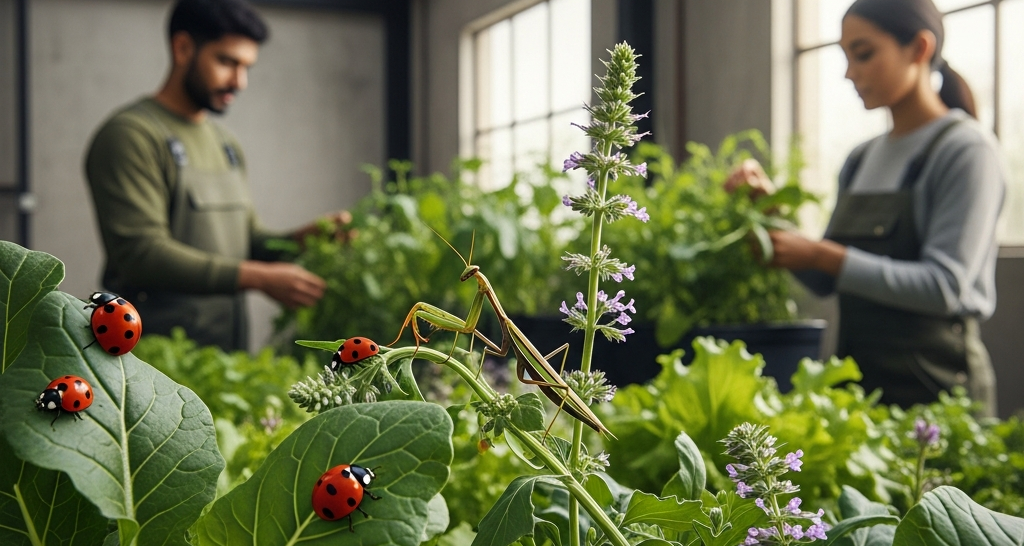
Beneficial Natural Pest Controllers at Home
Not all insects in the home are harmful; some are valuable allies that help control other pests naturally and reduce the need for chemical pesticides. Three key beneficial organisms are spiders, ladybugs, and earwigs.
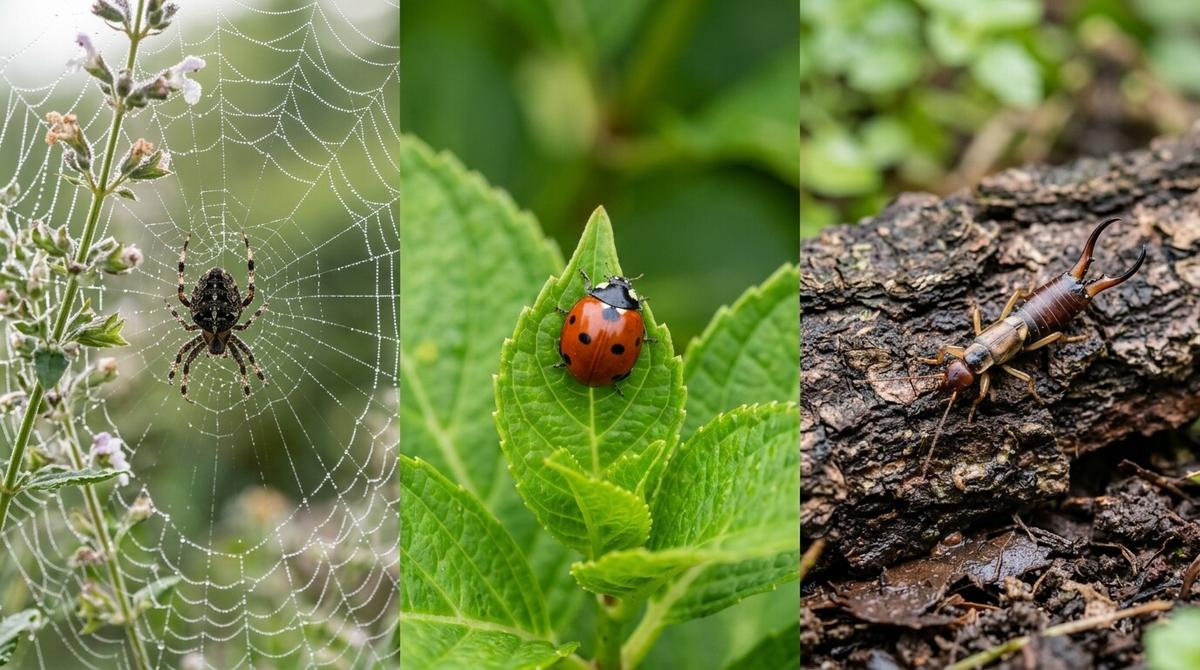
1. Spiders: The Silent Hunters
- Benefit: Spiders are efficient predators that feed on mosquitoes, flies, small cockroaches, and other nuisance or potentially harmful insects.
- How they help: They build webs in discreet, low-traffic areas like basements, attics, and garages, capturing prey quietly and generally avoiding human contact.
- Tip: If you find a small spider in a corner, consider leaving it there; it is helping to naturally control other pests.
2. Ladybugs: The Defenders of the Garden
- Benefit: Ladybugs (ladybird beetles) are renowned for controlling plant pests such as aphids and mites.
- How they help: Indoor plants can attract ladybugs, which then feed on insects that damage foliage. A single ladybug can eat up to 50 aphids per day, making them excellent allies for plant lovers.
- Tip: If you see a ladybug near your plants, let it stay and work as a natural, safe protector against pests.
3. Earwigs: Nocturnal Pest Controllers
- Benefit: Despite their intimidating appearance, earwigs are beneficial predators that feed on mites, aphids, fleas, and some fungi.
- How they help: Being nocturnal, they hunt mostly at night in damp or vegetated areas, reducing populations of harmful insects that might otherwise move indoors.
- Tip: If you are uncomfortable having earwigs inside, you can encourage them to stay in the garden or outdoor areas, where they still help limit pests from reaching the home.
A Natural Balance at Home
Maintaining a balance of beneficial organisms like spiders, ladybugs, and earwigs is a smart, eco-friendly pest management strategy. By tolerating and even encouraging these natural predators, you can reduce reliance on chemical pesticides, protect the environment, and support a healthier home ecosystem. Remember: not every insect is a pest—many are allies in disguise.
| Organism | Main Benefits | Where They Help Most | Practical Tip |
|---|---|---|---|
| Spiders | Prey on mosquitoes, flies, small cockroaches, and other nuisance insects. | Corners, basements, attics, garages, and low-traffic indoor areas. | Leave small spiders in out-of-the-way corners so they can control other pests. |
| Ladybugs | Control aphids, mites, and other plant-damaging insects. | Indoor and outdoor plants, gardens, and potted plant areas. | Allow ladybugs to remain on or near plants to protect them naturally. |
| Earwigs | Feed on mites, aphids, fleas, and some fungi, reducing harmful populations. | Damp, vegetated areas, gardens, and outdoor zones near the home. | Encourage earwigs to stay outdoors or in the garden to limit pests entering the house. |
Sources and references
U.S. EPA. Integrated Pest Management (IPM) — biological control as part of IPM.
U.S. EPA. Introduction to IPM — prevention and monitoring principles.
MSU Extension. Ants — university extension example on pest vs beneficial insects.
For professional support see our insect control service in Toluca, Mexico City and Querétaro. Contact and quote.