The Most Common Pests in Plants and How to Prevent Them
Plant Pest Control with Fucesa
Healthy plants can suddenly show yellow leaves, spots, or tiny insects—clear signs of pests. Detecting them early is essential to protect your home, office, or business greenery.
Most Common Plant Pests
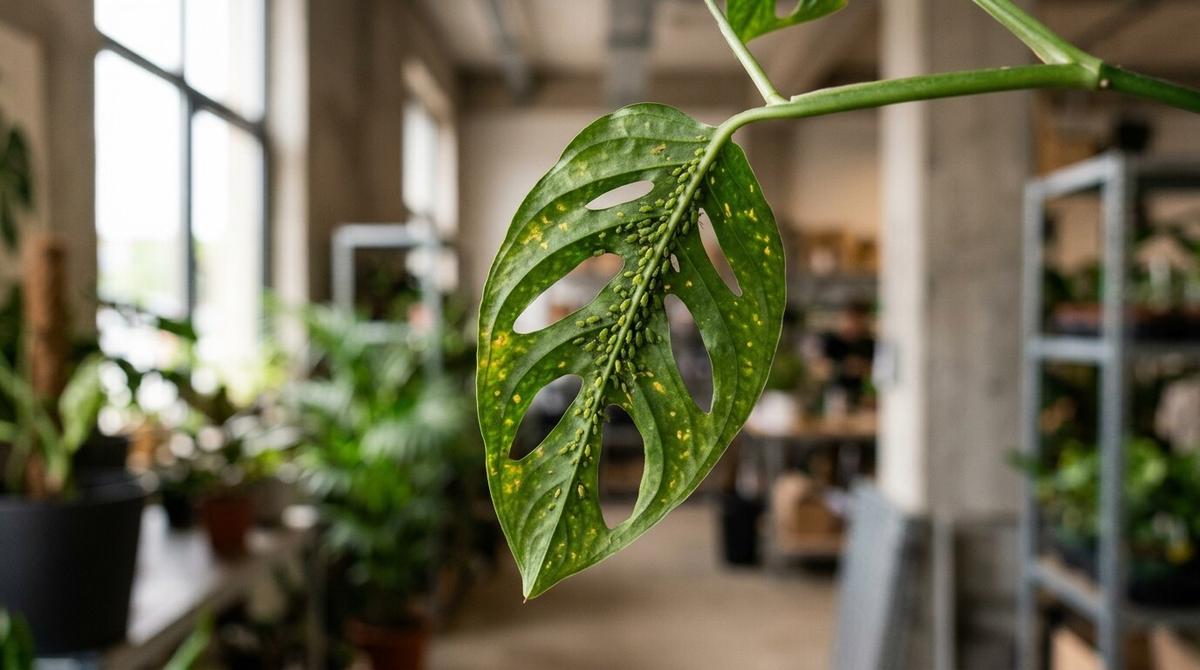
- Aphids: Small green, black, or brown insects that suck sap. They thrive with excess fertilization or watering, in warm, poorly ventilated spaces. Common on roses, bougainvilleas, geraniums, and many indoor ornamentals.
- Whitefly: Tiny white insects on the underside of leaves. They reproduce fast in warm, humid, closed spaces with poor air circulation and excess moisture. Frequent on hibiscus, geraniums, ferns, and palms.
- Mealybug: White, cottony patches that excrete sticky honeydew, favoring fungi. They appear in humid, low‑light, poorly ventilated areas, especially on cacti, succulents, orchids, and office plants.
- Red spider mite: Almost microscopic mites that cause yellow speckling and fine webs. They like heat and dryness, attacking plants near sunny windows such as ficus, ivy, and some palms.
- Thrips: Small, elongated insects that leave silvery marks or scars on leaves and flowers. They develop in warm, dry climates and spread via air currents or infested plants. Harmful to African violets, carnations, orchids, and dense‑foliage plants.
- Slugs and snails: Mollusks active in rainy or very humid conditions. They chew leaves and tender shoots, leaving irregular edges and slime trails. Common outdoors on callas, hostas, ferns, and broad‑leaf plants.
- Worms and caterpillars: Larvae that pierce leaves and sometimes fruits. They proliferate on leafy plants in temperate or warm climates, such as basil, lettuce, parsley, geraniums, and bougainvilleas.
How to Detect and Prevent Pests
1. Inspect Frequently
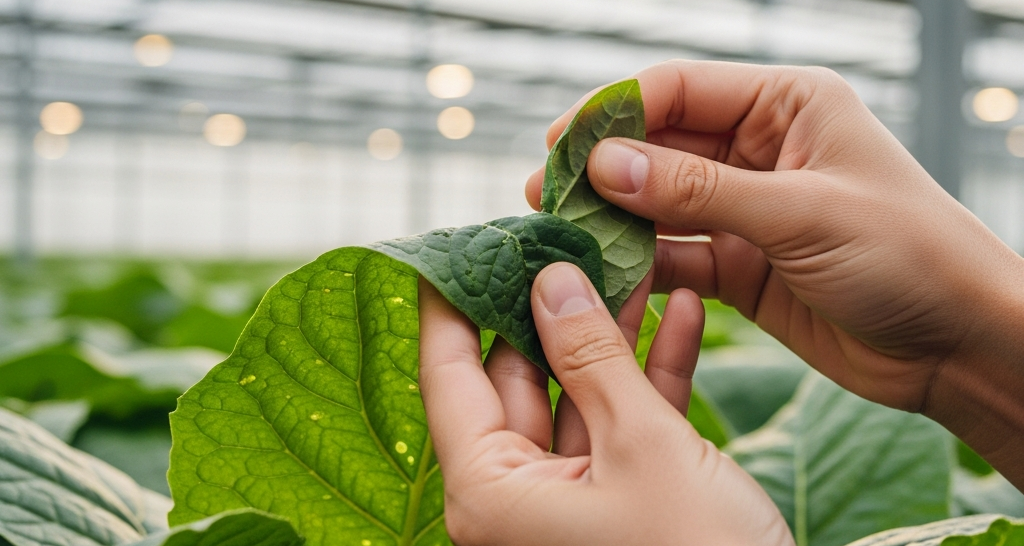
Check plants weekly, especially the underside of leaves and stems. Look for color changes, spots, insects, webs, or sticky residues.
2. Watch for Warning Signs
- Yellow, spotted, or deformed leaves.
- Small insects walking or flying near plants.
- Fine webs or sticky patches on foliage.
- Eggs or larvae on leaves or in the substrate.
3. Good Prevention Habits
- Provide space and good ventilation; avoid overcrowding.
- Avoid overwatering; excess moisture favors pests and fungi.
- Clean dust from leaves with a damp cloth or water.
- Remove dry or damaged leaves so they don’t become pest refuges.
4. Natural Control Options
- Mild infestations: spray water with a little neutral soap, then rinse with clean water.
- Use garlic or chili infusions as natural repellents.
- Introduce beneficial insects like ladybugs to feed on aphids and similar pests.
When to Use Pesticide Treatments
If pests are widespread or home remedies fail, professional treatments are recommended:
- Chemical treatment: Insecticides/pesticides that quickly eliminate resistant pests. Suitable for advanced infestations affecting large parts of one or several plants. They should be applied by professionals to avoid risks to people, pets, and plants.
- Biological treatment: Use of living organisms (beneficial insects, specific bacteria) that attack pests. Ideal for environmentally friendly control and for delicate plants or crops that do not tolerate chemicals. It also reduces resistance problems.
- Physical treatment: Barriers (nets, plastics) and traps to block or capture pests. Useful for prevention, early infestations, or as a complement to chemical or biological methods, especially when you have few plants.
The right choice depends on the severity of the problem and the type of plants. A professional assessment ensures effective and safe control.
Fucesa: Professional Care for Your Green Spaces
Fucesa offers specialized pest control for plants in homes, offices, and businesses. Our trained staff uses safe products and professional techniques tailored to your space and plant types.
With Fucesa you get:
- Early detection and correct identification of pests.
- Selection of the most suitable treatment (chemical, biological, or physical).
- Safe application that protects people, pets, and plants.
- Continuous monitoring to keep your spaces healthy and pest‑free.
Don’t let pests damage your garden or ornamental plants. Trust Fucesa to protect your plants and maintain a clean, pleasant environment.
| Pest | Main Signs | Favorable Conditions | Common Plants |
|---|---|---|---|
| Aphids | Clusters of small green/black/brown insects, sticky leaves | Excess fertilization or watering, warm and poorly ventilated spaces | Roses, bougainvilleas, geraniums, many indoor ornamentals |
| Whitefly | Tiny white insects flying when leaves are shaken, yellowing leaves | Warm, humid, closed spaces with poor air circulation and excess moisture | Hibiscus, geraniums, ferns, palms |
| Mealybug | White cottony masses, sticky honeydew, sooty mold | Humid, low‑light, poorly ventilated areas | Cacti, succulents, orchids, office plants |
| Red spider mite | Yellow speckles, fine webs, dry leaves | Hot, dry environments with little watering | Ficus, ivy, some palms near sunny windows |
| Thrips | Silvery streaks or scars on leaves and flowers | Warm, dry climates; spread by air currents or infested plants | African violets, carnations, orchids, dense‑foliage plants |
| Slugs and snails | Irregular holes in leaves, slime trails | Rainy season, very humid outdoor environments | Callas, hostas, ferns, broad‑leaf plants |
| Worms and caterpillars | Chewed leaves, perforations, sometimes damaged fruits | Temperate or warm climates on leafy plants | Basil, lettuce, parsley, geraniums, bougainvilleas |
Sources and references
U.S. EPA. Introduction to Integrated Pest Management — IPM principles also useful in gardens.
University of Minnesota Extension. Aphids — aphid identification and plant pest management.
University of Kentucky Entomology. EF-402 — extension guidance on garden pests.
For professional support see our insect control service in Toluca, Mexico City and Querétaro. Contact and quote.