Technology and Future of Pest Control in Industrial Sectors
Summary of the Article
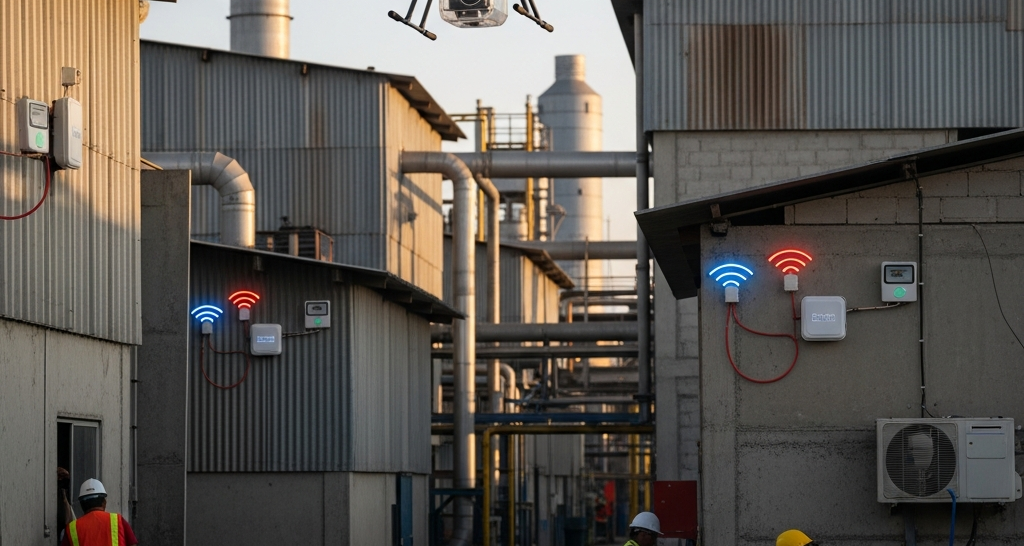
The article explains how technology is transforming pest control in industrial environments, making it more effective, safer, and more sustainable. It highlights several key innovations:
- Drones and UAVs for aerial inspections and precise detection of infestations over large areas.
- Artificial Intelligence and Machine Learning to analyze data, predict outbreaks, optimize trap placement, and customize treatments.
- Sensors and IoT devices for continuous monitoring of environmental conditions and real-time alerts.
- Biological control techniques such as sterile insect release, pheromone-based disruption, and natural predators to manage pests sustainably.
It also presents success stories in:
- Agriculture, where drones and sensors enable targeted pesticide use, reducing chemicals and costs.
- Manufacturing, where integrated AI and IoT systems improve prevention and protect products and facilities without disrupting operations.
Finally, the article notes challenges like high initial costs, the need for specialized training, and ethical and environmental concerns, especially around biotechnology. It concludes that the industry is entering a new era in which emerging technologies must balance effectiveness, sustainability, and safety.

| Technology / Approach | Primary Use in Pest Control | Key Benefits | Typical Industrial Applications |
|---|---|---|---|
| Drones & UAVs | Aerial inspection and mapping of large areas to detect infestations | Rapid coverage, reduced need for physical access, high-precision detection | Agriculture fields, large manufacturing sites, storage yards |
| AI & Machine Learning | Data analysis for diagnosis, prediction, and treatment optimization | Predictive outbreak alerts, smarter trap placement, tailored treatment plans | Food processing plants, warehouses, high-throughput manufacturing |
| Sensors & IoT Devices | Continuous monitoring of environmental conditions and pest activity | Real-time alerts, early detection, reduced manual inspections | Cold storage, logistics centers, production lines, silos |
| Biological Control Techniques | Use of sterile insects, pheromones, and natural predators | Lower chemical use, environmental sustainability, targeted control | Agriculture, food industry, eco-focused industrial facilities |
| Integrated Pest Management (IPM) with Tech | Combining digital tools and biological methods in a unified strategy | Prevention-focused, minimal disruption to operations, regulatory compliance | Manufacturing plants, packaging facilities, large industrial complexes |
Sources and references
U.S. EPA. Introduction to IPM — scientific basis of modern industrial pest control.
NOM-256-SSA1-2012. Platiica / Economía — Mexican regulatory framework for the sector.
COFEPRIS. Pesticides and fertilizers — regulation of inputs and services.
For professional support see our insect control service in Toluca, Mexico City and Querétaro. Contact and quote.