Signs of rats in the house and when to fumigate
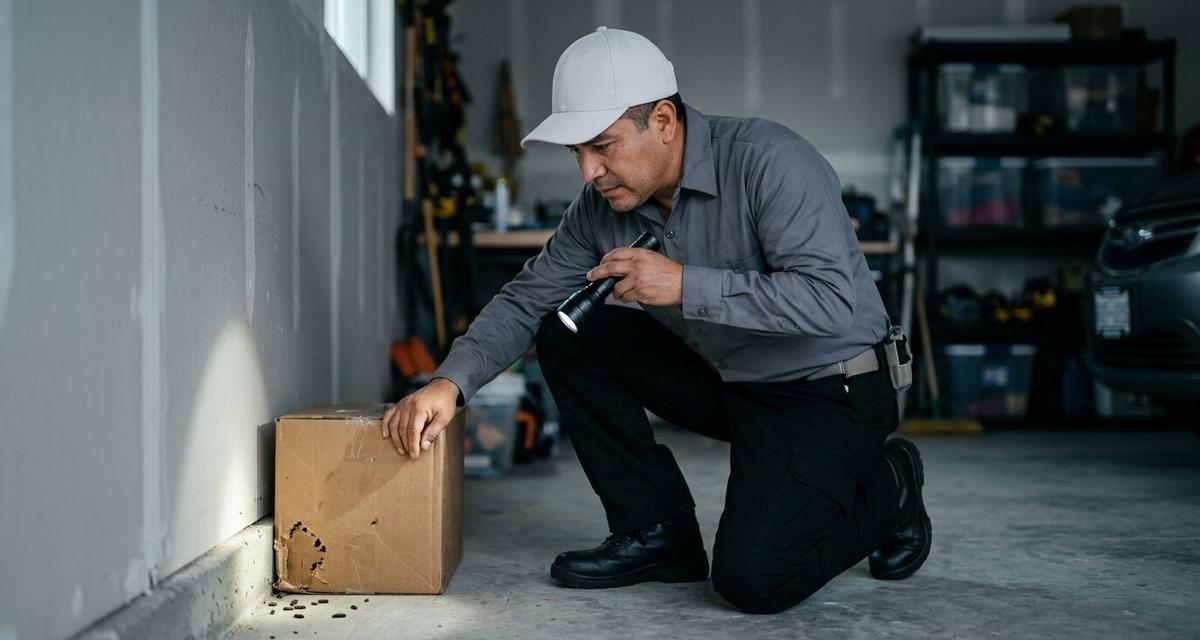
Signs of rats in the house and when to fumigate
Rats in the home are not just unpleasant — they pose health risks and damage the structure of the house. Spotting the signs of an infestation early lets you act quickly and effectively.
Signs of a rat infestation
- Droppings and urine
- Dark, elongated droppings that look like grains of rice, in cupboards, drawers, under sinks, or in storage areas.
- Urine stains and a strong, penetrating, unpleasant odor.
- Gnawing damage
- Tooth marks on electrical wiring, furniture, paper, cardboard, and food packaging.
- Punctured containers or torn bags in the pantry.
- Nighttime noises
- Scratching, scurrying, or gnawing sounds at night, especially in walls, ceilings, drop ceilings, or crawl spaces.
- Nests and nesting materials
- Piles of shredded paper, fabric, fibers, cardboard, or dry vegetation.
- Found in hidden, low-traffic spots: behind appliances, in storage rooms, attics, utility rooms, or above drop ceilings.
- A strong, distinctive odor
- An intense smell, like damp and accumulated grime, from the combination of urine, droppings, and organic debris.
- More noticeable in enclosed or poorly ventilated spaces.
How to prevent a rat infestation
- Keep things clean
- Remove food scraps and trash daily.
- Don't leave dirty dishes or exposed organic waste.
- Clean up food and drink spills immediately.
- Seal entry points
- Check for cracks, gaps, and holes in walls, floors, ceilings, and around pipes.
- Close openings with cement, metal mesh, or other durable materials.
- Fit grates on drains and vents.
- Store food properly
- Use airtight containers for grains, pet food, seeds, and other foods.
- Avoid leaving food on tables or countertops overnight.
- Check the pantry regularly for droppings, gnawed packaging, or bad smells.
- Avoid excessive, disorganized storage
- Cut down on piles of boxes, papers, old clothes, and unused furniture.
- Keep storage and utility rooms tidy and ventilated.
- Remove water sources
- Fix leaks in pipes, faucets, and toilets.
- Don't leave buckets, trays, or containers with standing water.
- Dry sinks and wet surfaces at the end of the day.
- Use natural repellents as backup
- As a complement, use substances like ammonia, mint, or clove in risk areas.
- Keep in mind these methods are no substitute for professional control once an infestation exists.
When is fumigation necessary?
Because rats reproduce quickly, a minimal presence can become a serious problem in a short time. Professional fumigation is recommended when:
- Droppings and damage keep appearing
- You keep finding fresh droppings, gnawed packaging, or damaged wiring despite preventive measures.
- Nighttime noises persist
- You hear frequent nighttime activity in ceilings, walls, or floors — a sign of an active colony.
- You find nests inside the home
- Indoor nests mean rats have already settled in and are breeding on your property.
In these scenarios, professional intervention is the safest and most effective way to eliminate the pest and reduce the risk of reinfestation.
Fucesa: your ally in rodent control
When facing an infestation, having specialists makes the difference. Fucesa offers a professional rodent control service and rat fumigation, using safe, effective methods to get your home rodent-free.
- Detailed assessment of the infestation level and entry points.
- Selection of the right products and techniques for each case.
- Safety measures to protect your family, pets, and the structure of your home.
- Follow-up recommendations to prevent new infestations.
Early detection and timely action are key to keeping your home safe and rat-free. Request an inspection with Fucesa to control the pest comprehensively and protect your space long-term.
Professional rat control and fumigation with Fucesa
If you already spotted signs and need to hire help (commercial rat fumigation intent), the money page is rats: types, control and fumigation: species, DIY limits, IPM, and how to get a quote. This article stays as the signs-and-when-to-act guide.
| Sign | What to look for | Recommended action |
|---|---|---|
| Droppings and urine | Dark rice-grain droppings, stains, and strong odor | Clean with disinfectant, step up cleaning and monitoring |
| Gnawing damage | Chewed wiring, furniture, and food packaging | Remove exposed food and check entry points |
| Nighttime noises | Scratching and scurrying in ceilings, walls, or floors | Track frequency; if constant, call professionals |
| Nests | Piles of paper, fabric, or vegetation in hidden spots | Don't handle without protection; request fumigation |
| Strong odor | Penetrating damp/grime smell in enclosed spaces | Ventilate, deep-clean, and assess for infestation |
Coverage and service
We handle rodent signs with rodent control in Toluca, Mexico City, and Querétaro. See our rats page. Contact
Sources and references
CDC — Controlling wild rodent infestations — signs (droppings, gnaw marks) and prevention.
EPA — Rodenticides — rodenticide products and restrictions.
EPA — Integrated Pest Management (IPM) — integrated management applicable to rodents.